Khawlani coffee: a morning on Jazan’s terraces
In the mountains of Jazan, farmers grow Khawlani coffee on stone terraces, as their families have for generations. The practice is on UNESCO's list of Intangible Cultural Heritage. A morning with the harvest.
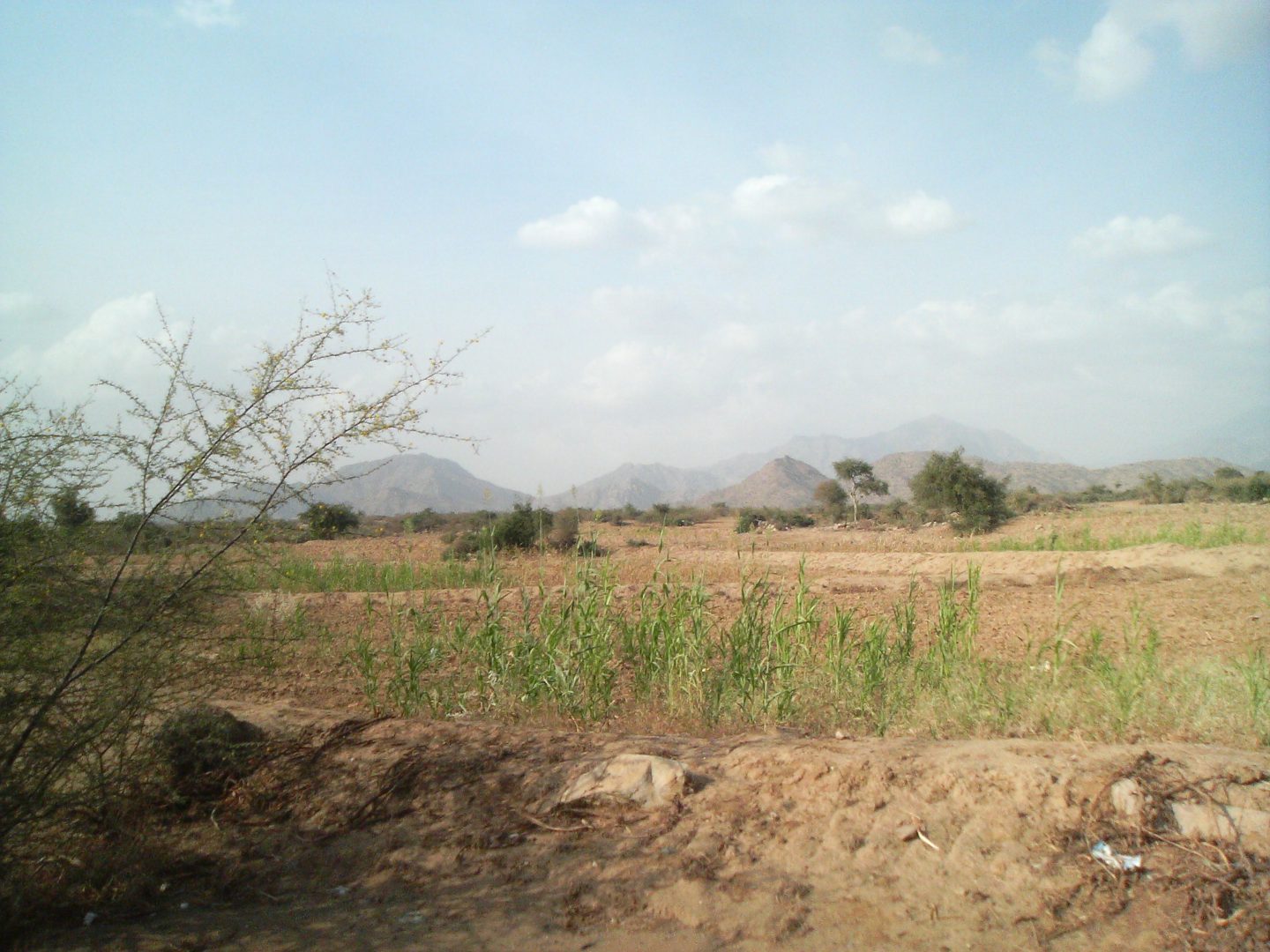
Most visitors meet Saudi coffee in a small cup: pale gold, spiced with cardamom and sometimes saffron, poured from a dallah and served with dates. It is the centre of hospitality in every Saudi home. But the beans behind it do not only come from abroad. In the mountains of Jazan, near the border with Yemen, farmers still grow coffee the way their families have for centuries.
Terraces above the clouds
The coffee is called Khawlani, after the Khawlan tribe of the region. It grows on narrow stone terraces cut into steep slopes, often above 1,000 metres, in districts such as Al-Dayer, Fifa and Harub. The trees like the mountain climate here: warm days, cool nights, mist and seasonal rain.
In 2022, UNESCO added the knowledge and practices of cultivating Khawlani coffee beans to its list of Intangible Cultural Heritage. The listing recognises more than the plant: it covers how families build and repair terraces, share water, tend the trees, pick, dry and roast the beans, and pass all of it on to the next generation. Saudi Arabia also named 2022 the Year of Saudi Coffee.
A morning on the farm
A farm visit usually starts early, before the sun is high. Ripe coffee cherries are red, and they are picked by hand — a tree does not ripen all at once, so pickers go back to the same trees several times. The cherries are spread out on rooftops or flat ground to dry in the sun, turned by hand, and later hulled to free the green beans inside.
Then comes the part everyone waits for. The farmer's family roasts a small batch in a pan over the fire, grinds it, and boils it with cardamom. You drink it on the terrace with dates, looking down the valley. Many farms also serve qishr, a drink made from the dried coffee husks with ginger — lighter, sweeter, and very local.
Planning a visit
- Season: Visit in the cooler months. Picking follows the ripening of the cherries, so ask your guide which weeks are active on the farms that year.
- Getting there: Fly to Jazan, then drive about two hours into the mountains. The roads climb steeply; go with a local driver or guide.
- Etiquette: Coffee is offered as a welcome. Accept a cup with your right hand; when you have had enough, gently shake the cup from side to side before handing it back.
- Buy direct: Many farms sell roasted beans. It is the best souvenir from Jazan, and the money goes straight to the growers.
Combine it with the coast
Jazan's mountains and its islands are a short distance apart. Spend a day on the terraces and another on the Farasan Islands, and you will see two sides of the region that very few visitors ever reach.