Umrah for first-time visitors: a gentle guide
Your first Umrah, step by step: the Nusuk permit, ihram and the miqat, tawaf, sa'i and cutting the hair — plus practical advice on hotels, crowds, health and visiting Madinah. Written for first-time pilgrims.
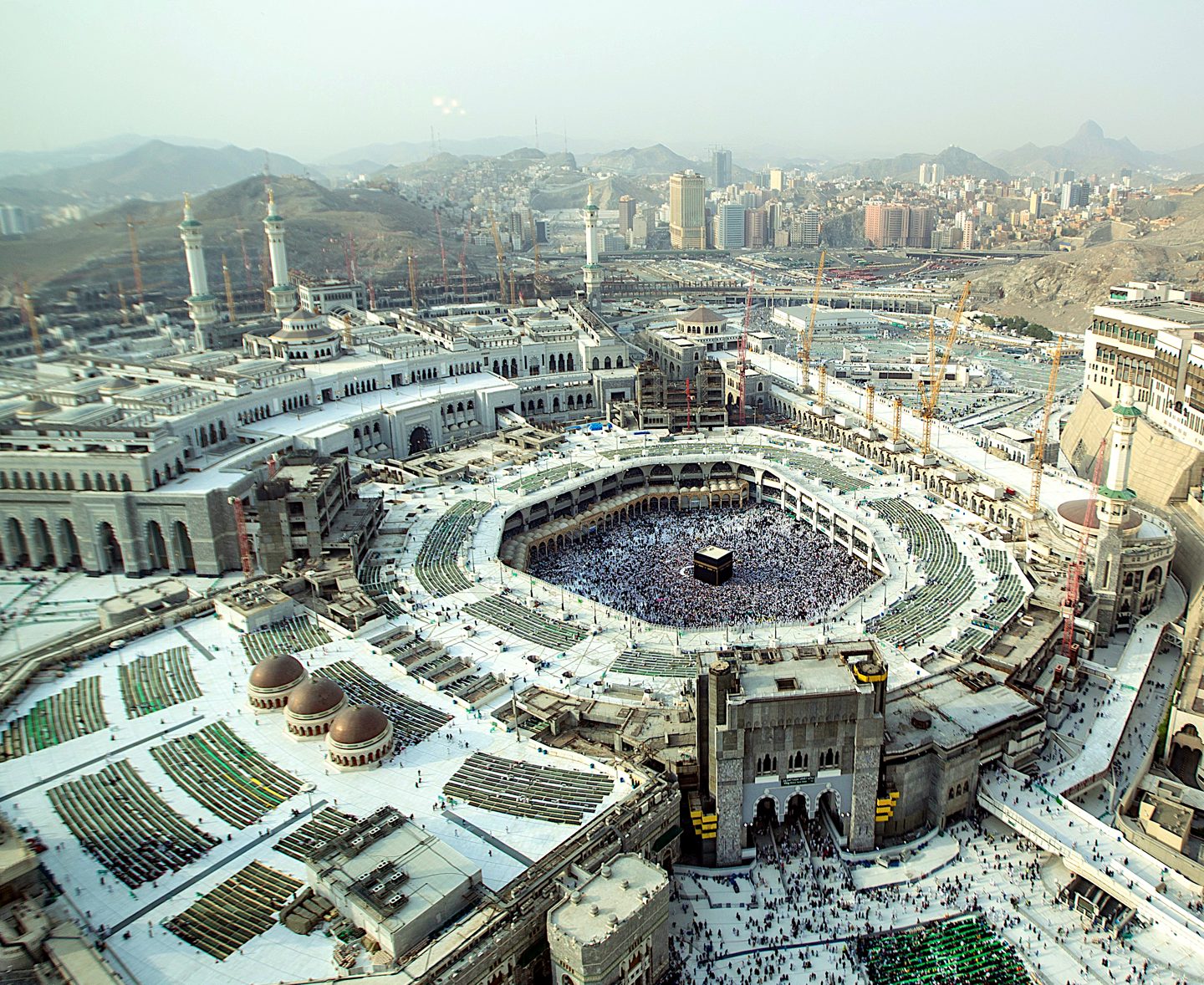
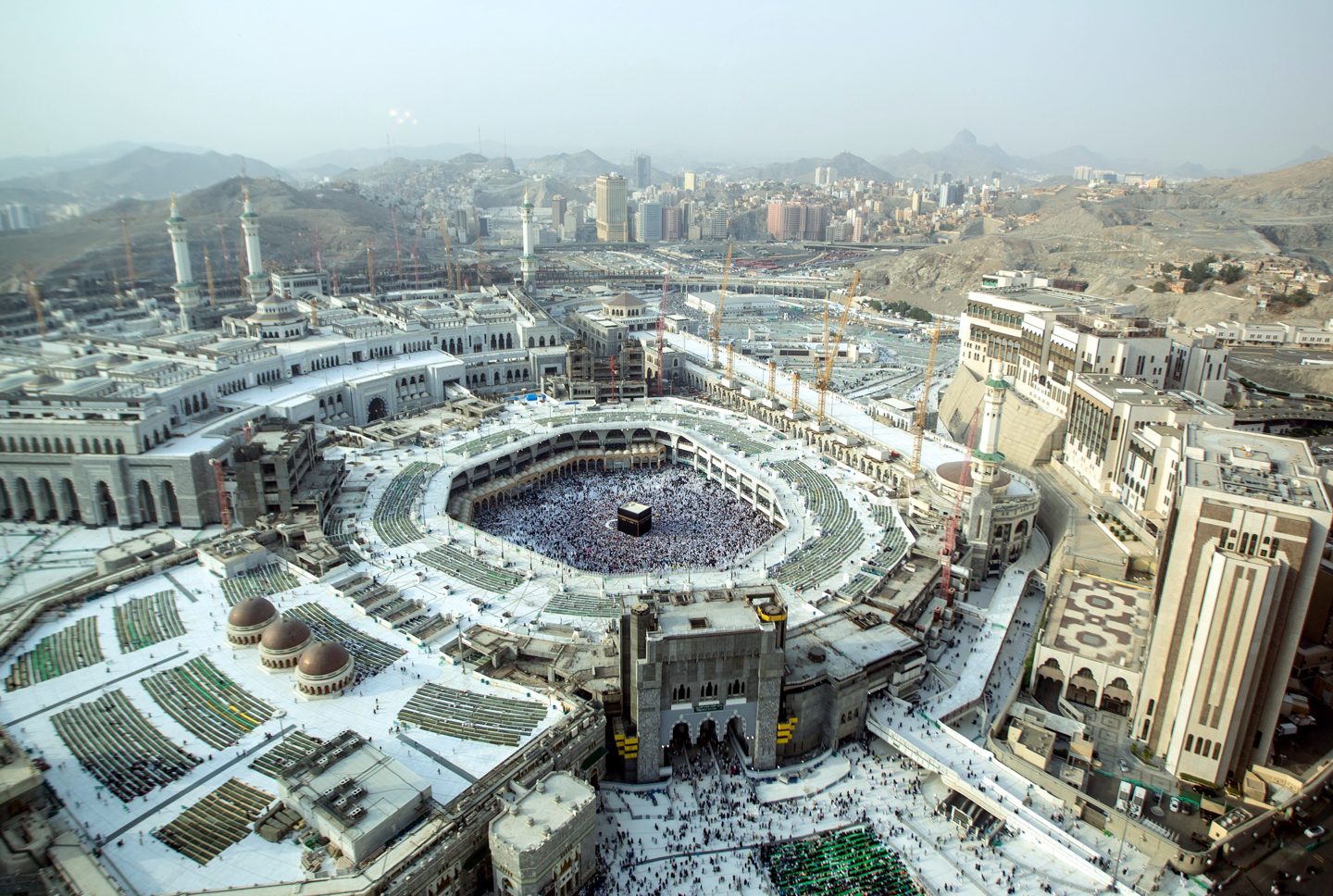
Umrah is the lesser pilgrimage to Makkah, and it can be performed at any time of year outside the days of Hajj. For many people, especially a first-time pilgrim, the journey is both deeply moving and a little overwhelming. This guide explains the rites simply and adds the practical things we wish every pilgrim knew before leaving home. For religious rulings, follow the guidance of your own scholar; a certified guide (mutawwif) can walk you through each step on the day.
Before you travel
- Visa. Umrah can be performed on an Umrah visa or, outside the Hajj season, on the Saudi tourist eVisa if your nationality is eligible.
- Nusuk permit. Book your Umrah permit in the Nusuk app before you go. A visit to the Rawdah in the Prophet's Mosque in Madinah also needs a permit booked in Nusuk.
- Health. Check the vaccination requirements for your country before travelling; they can change. Bring any regular medicine in its original packaging.
- Learn the rites. Read about Umrah and practise the du'as you want to make. Knowing what comes next makes it far easier to focus when you are there.
Ihram and the miqat
Ihram is the sacred state a pilgrim enters before Umrah, marked by an intention (niyyah) and, for men, two plain white unstitched cloths. Women wear modest, ordinary clothing. There are boundaries around Makkah, called miqat, which pilgrims must not cross without being in ihram.
If you fly to Jeddah, your plane crosses the miqat in the air before landing. Airlines usually announce it. Many pilgrims from Bangladesh and South Asia put on ihram at the airport before boarding, then make the intention when the crew announces the miqat. If you fly to Madinah first, you enter ihram later, at the miqat of Dhul Hulayfah, on the way from Madinah to Makkah.
The rites of Umrah
- Tawaf. In Masjid al-Haram, walk around the Kaaba seven times, anticlockwise, starting and ending in line with the Black Stone. Afterwards, pray two rak'ahs if you can, and drink Zamzam water.
- Sa'i. Walk seven times between the hills of Safa and Marwah, starting at Safa and ending at Marwah. The route is inside the mosque, air-conditioned and on several floors.
- Cutting the hair. Men shave the head or shorten the hair; women cut a small length from the end of the hair. With this, Umrah is complete and the restrictions of ihram end.
Take your time. The whole Umrah usually takes three to six hours depending on crowds. Late night and early morning are often calmer than the hours after prayers.
Practical advice
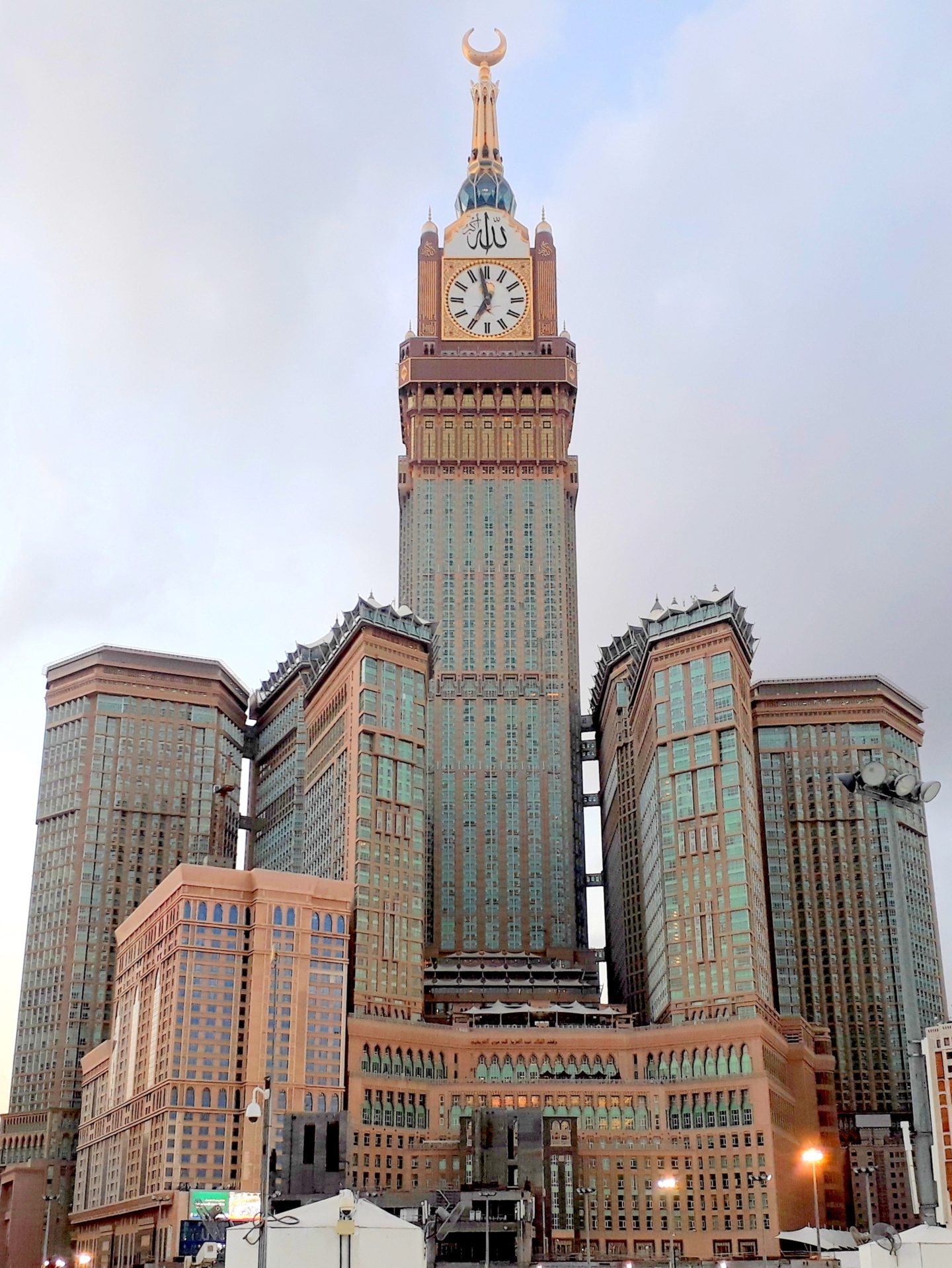
- Hotel distance matters. You will walk to the Haram several times a day. A hotel within a few hundred metres saves energy, especially for older pilgrims. Our packages state the distance to the Haram for every hotel.
- Wear comfortable sandals and carry a small bag for them inside the mosque; mark where you left them.
- Stay together. Agree on a meeting point with your group, keep your hotel card and phone with you, and save your guide's number.
- Mind the heat. Drink water, rest in the afternoon and use an umbrella outside. From November to February the weather is much milder.
- Wheelchairs are available for elderly and less mobile pilgrims; ask your hotel or guide in advance.
Visiting Madinah
Most pilgrims also visit Madinah, before or after Makkah, to pray in the Prophet's Mosque (Masjid an-Nabawi). The Haramain high-speed train connects Makkah and Madinah in a little over two hours, or you can travel by road. In Madinah, many pilgrims also visit Quba Mosque and Mount Uhud.
Travelling with darbiya
Our Umrah packages from Dhaka include flights, visa, hotels near the Haram, transfers and Ziyarat, and we can add a Bangla-speaking guide in Makkah. Every request is confirmed by our team by phone before you pay. May your Umrah be accepted.