The best time for Umrah, month by month
Umrah is possible almost all year. Compare winter, Ramadan, the weeks after Hajj and summer for weather, crowds and prices, and choose your month.
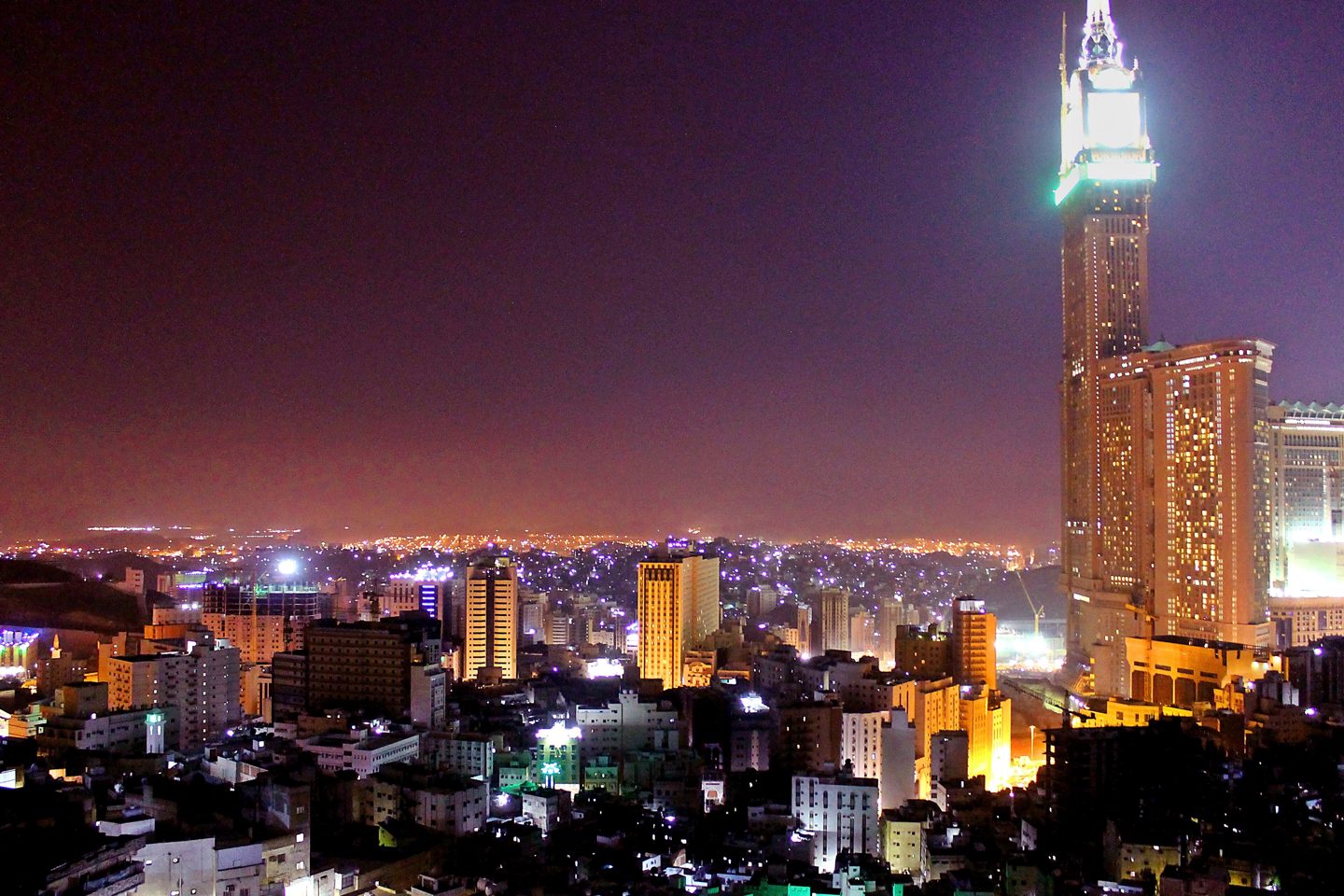
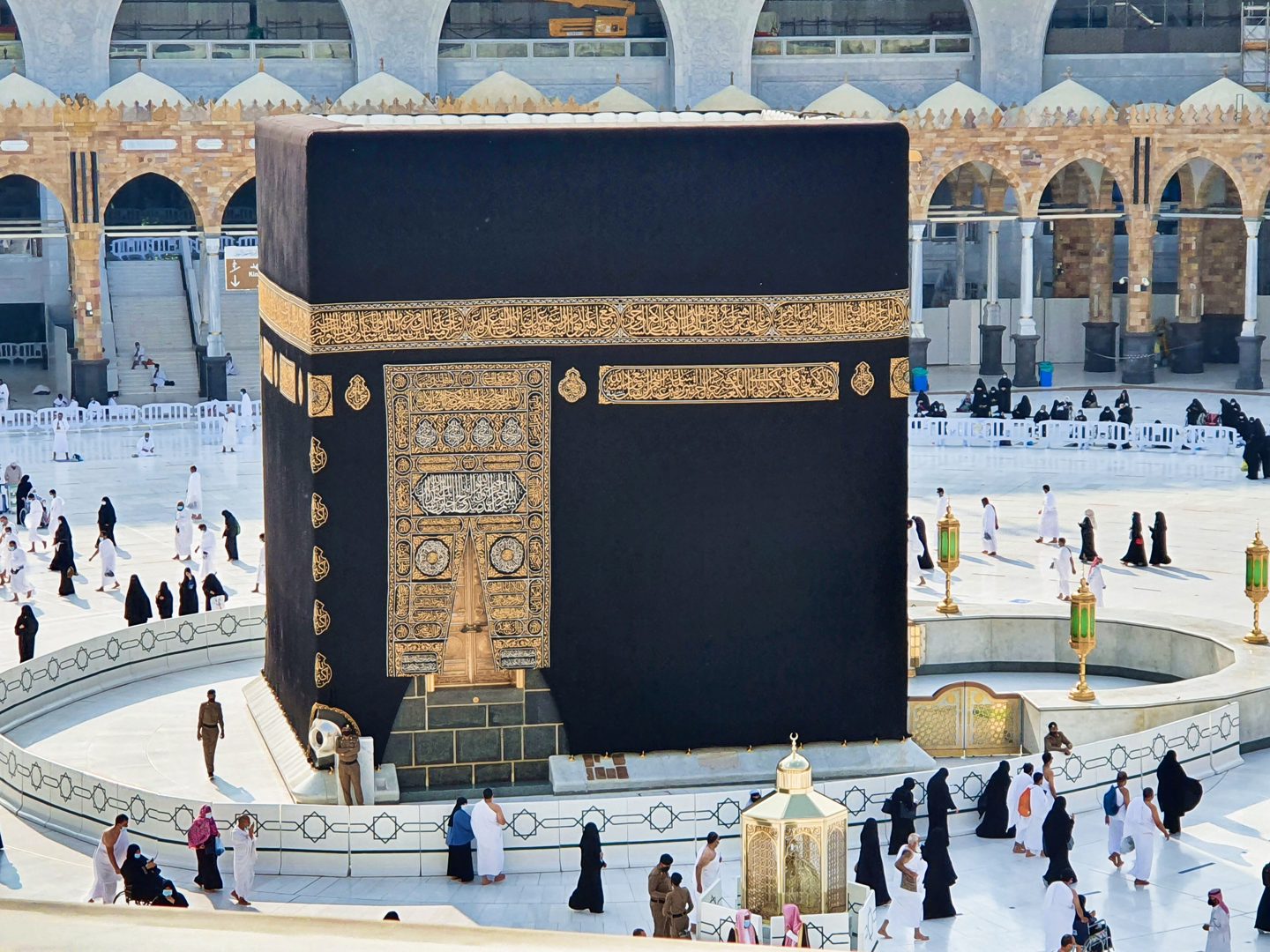
Umrah can be performed at any time of year except the days of Hajj. That freedom is a blessing, and also a question: which month should you choose? The answer depends on three things — the weather in Makkah, how crowded the Haram will be, and what the trip will cost. Here is how the year looks.
The year at a glance
- November to February — the comfortable season. Days in Makkah are warm rather than hot, and nights in Madinah are cool. This is the easiest time for elderly pilgrims and children. Demand is high around the winter school holidays, so prices rise in late December.
- Ramadan — the most rewarding and the most crowded. Umrah in Ramadan carries special merit, and millions come for it. Hotels near the Haram are at their most expensive, above all in the last ten nights. In 2027 Ramadan is expected to begin around 8 February, depending on the sighting of the moon.
- Shawwal until the season closes — a short window. After Eid al-Fitr the crowds thin for a few weeks. Then the Umrah season for overseas pilgrims closes ahead of Hajj; the last date of entry is announced each year. Hajj in 2027 is expected around 14 to 19 May.
- After Hajj to early autumn — quiet and cheap, but hot. When the season reopens after Hajj, hotels are at their lowest prices and the mataf is calmer. Daytime temperatures in Makkah regularly pass 40°C.
- September and October — the shoulder season. The heat eases, prices are still moderate and the crowds have not yet built up.
Weather in Makkah and Madinah
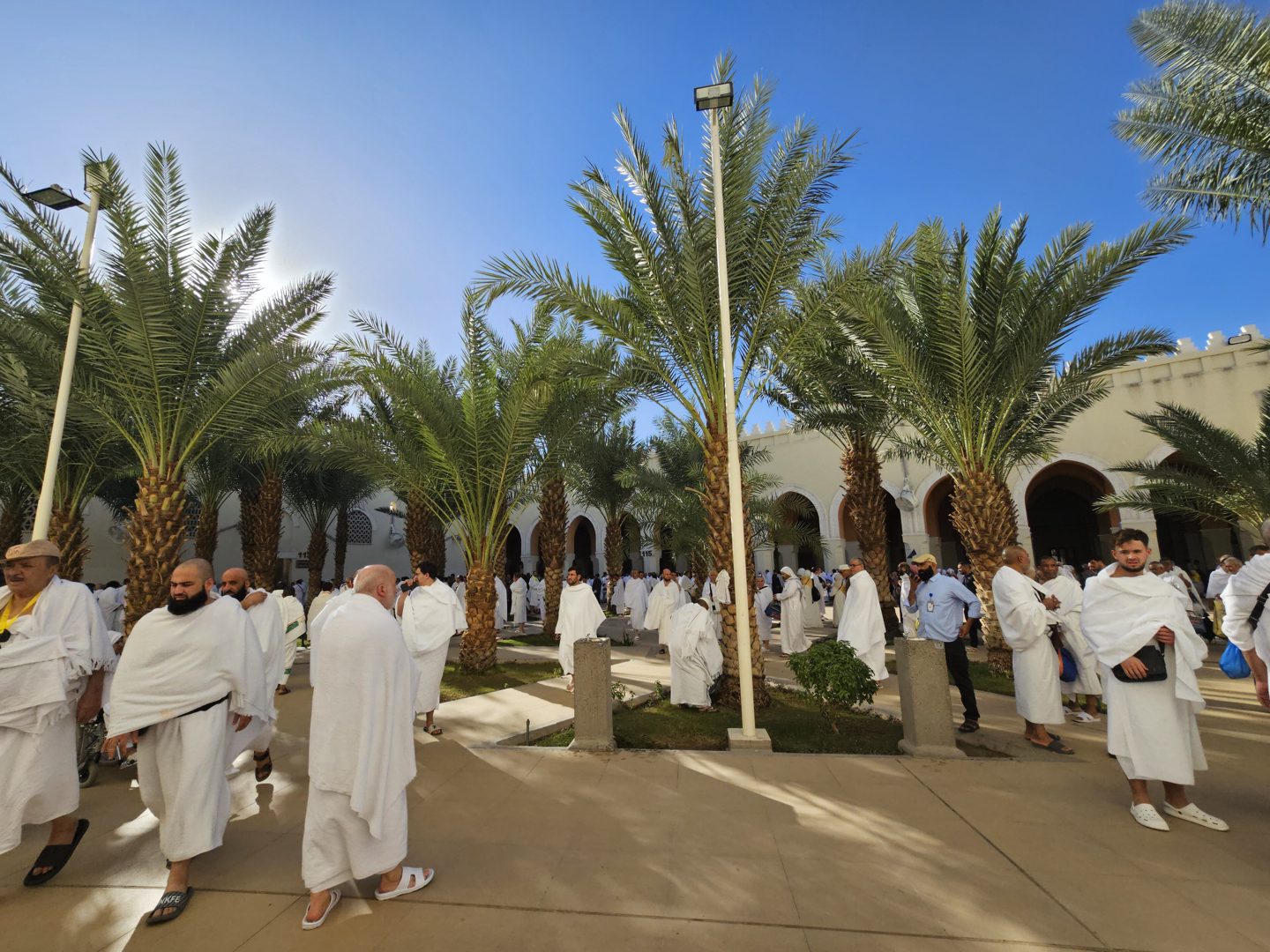
Makkah is hot for most of the year. Summer afternoons often reach 43 to 45°C, and even in winter the days are around 30°C. Madinah has the same summer heat but much cooler winters, with cold nights in December and January. Inside both mosques the prayer halls are air-conditioned and the white marble of the courtyards stays cool underfoot, so the heat matters most on the walk from your hotel. Our seasons guide has temperatures month by month.
Crowds: when the Haram is calmest
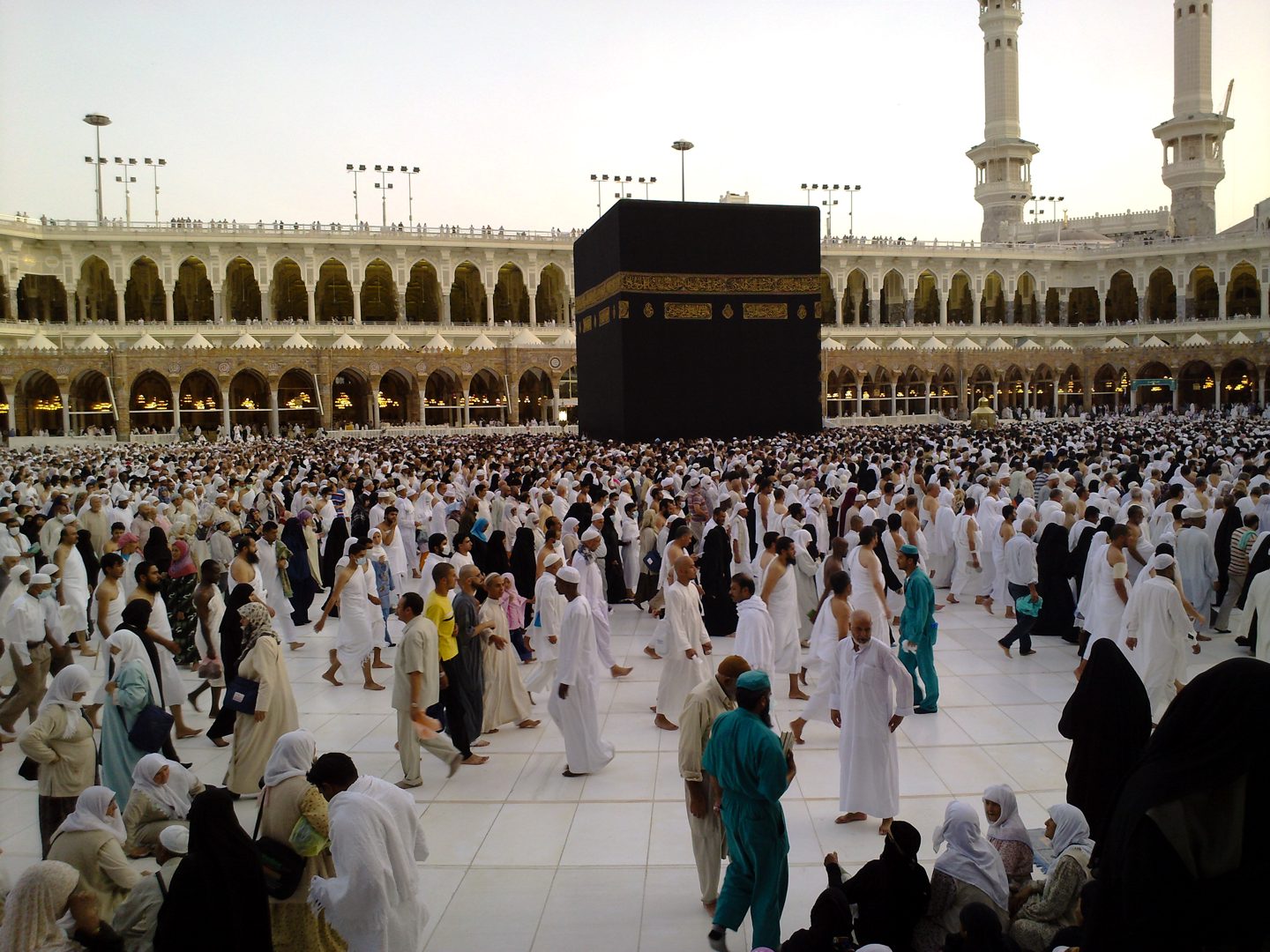
The Haram is never empty, but the difference between seasons is large. The busiest times are the last ten nights of Ramadan, the rest of Ramadan, school holidays and the weekend — Thursday night and Friday. The calmest are the weeks after Hajj and ordinary weekdays in summer and early autumn. In any season, tawaf is easiest late at night and in the hours after sunrise.
Choosing your month
- With elderly parents or small children: November to February, outside the school-holiday peak. See our advice on Umrah with parents and children.
- On a tight budget: the weeks after Hajj, or September and October. Compare months with the Umrah cost calculator.
- For the reward of Ramadan: book months ahead, accept a hotel further from the Haram, and plan your rest carefully.
- For calm in worship: midweek dates in September, October or early November.
Before you fix the dates, look at the Saudi holidays and events calendar for the Islamic dates of the coming year, and at our Umrah packages for departures.
Common questions
Which month is best for Umrah?
For comfort, December to February, when the weather in Makkah and Madinah is at its mildest. For low prices and fewer people, the weeks after Hajj and early autumn. For spiritual reward, Ramadan — with the largest crowds of the year.
Can Umrah be performed during Hajj?
Not on an Umrah visa. Umrah visas are not issued in the weeks around Hajj, and in those days entry to Makkah is limited to people who hold Hajj permits.
Is Umrah in summer too hot?
It is hot, but manageable with planning: perform tawaf at night or after dawn, rest in the afternoon, drink water often and stay in a hotel close to the Haram. In return you get the quietest and cheapest season of the year.