Umrah with elderly parents and children: a family plan
Taking parents or small children for Umrah? How to choose the hotel and the timing, use wheelchairs and carts, and keep everyone rested and safe.
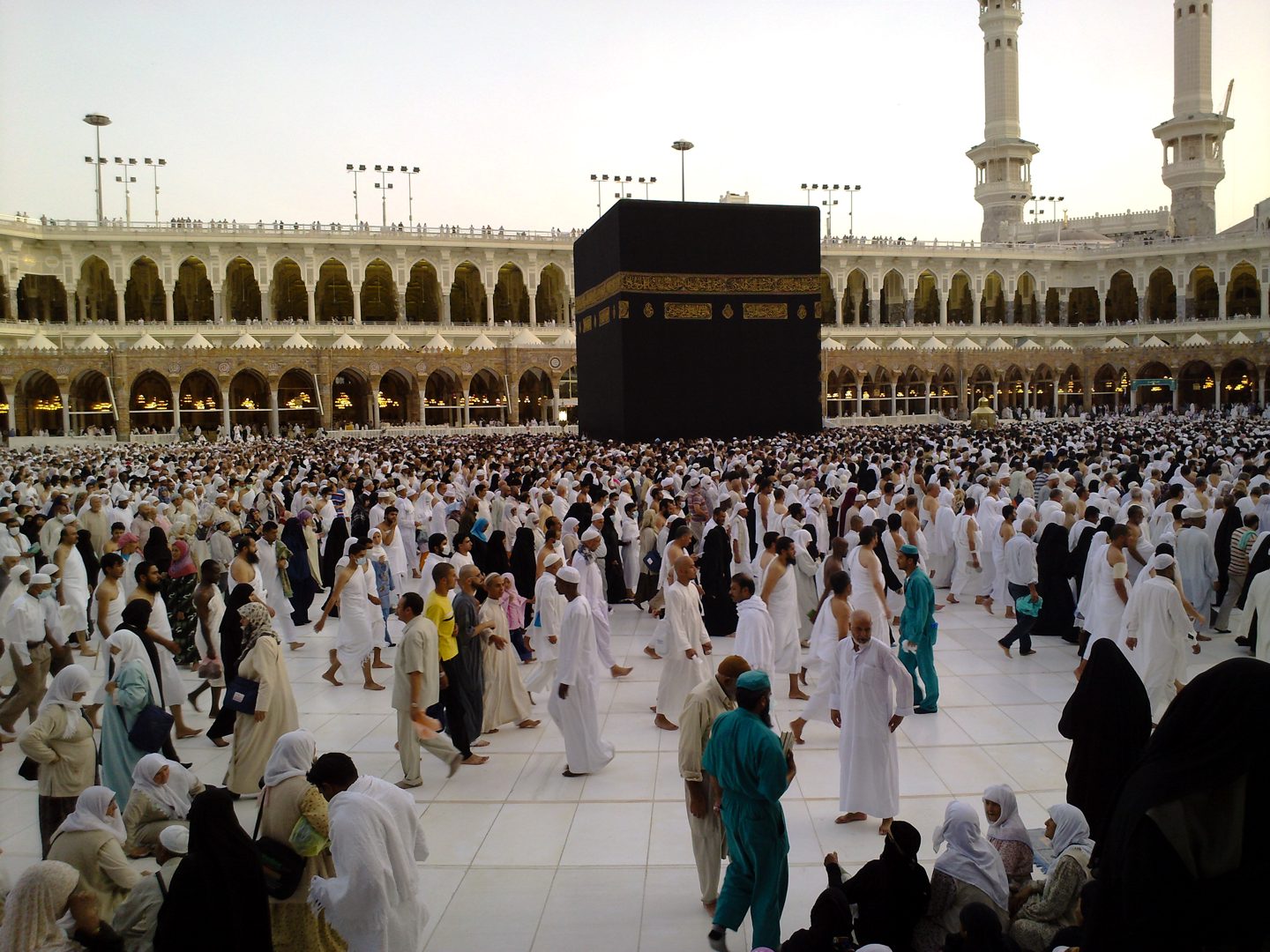
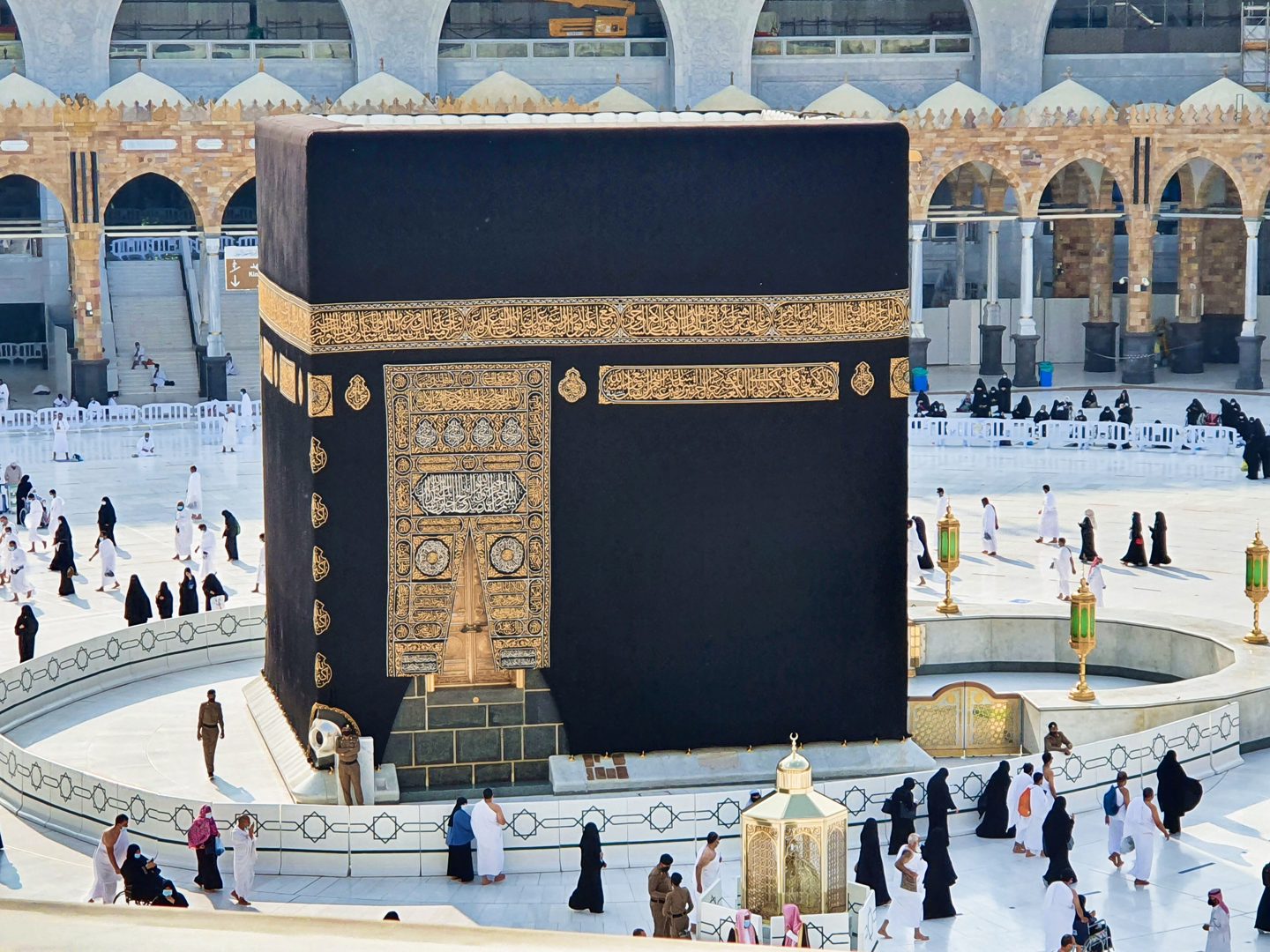
For many families, Umrah is the journey they have saved for so that parents can see the Kaaba, or so that children can grow up remembering it. Travelling with the old and the very young is entirely possible — a great many families do it every year — but it changes how you plan. The aim is simple: less walking, less waiting and more rest.
Choose the hotel by distance, not by stars
You will go to the Haram several times a day. For someone who walks slowly, 300 metres and 900 metres are very different journeys, especially uphill and in the heat. Pay for closeness before you pay for luxury, and check the real walking route: some hotels are near on the map but need a tunnel or a bus. Our Umrah map shows how far hotels are from the Haram, and every one of our Umrah packages states the distance.
Pick the season and the hour
Travel between November and February if you can; the heat is far gentler on elderly people and children. For a first family Umrah, avoid Ramadan and the school holidays. Our guide to the best time for Umrah compares the months.
Then choose your hours. Perform Umrah after a night's sleep, not straight from a long flight. Late night and the hours after sunrise are the calmest for tawaf. Stay away from the mataf just before and after the five prayers, and on Thursday and Friday nights.
Wheelchairs and electric carts
- Manual wheelchairs are available at the Haram, with or without someone to push. Tawaf by wheelchair is done on the upper floors, on tracks set aside for it.
- Electric carts carry pilgrims for tawaf and sa'i on dedicated tracks, for a fee. They are the easiest choice for parents who cannot walk the distance.
- Sa'i is long — about three kilometres in total. A cart or wheelchair for sa'i alone helps many people who can manage tawaf on foot.
Our guides to carts and wheelchairs and accessibility in the Two Holy Mosques give the locations and fees.
With children
- Put a wristband or card with your phone number and hotel name on every child.
- Carry babies in a sling or carrier. Do not depend on a pushchair inside the mosque.
- Dress small boys in ihram only if it is comfortable. Children are not obliged to perform Umrah, and their comfort comes first.
- Take turns: one adult performs tawaf while another rests with the children, then swap.
- The Haram has supervised childcare centres where young children can stay while their parents pray.
Health and rest
- Bring regular medicines in their original boxes, with the prescription, and split them between two bags.
- Drink Zamzam and water often; heat exhaustion comes quickly to the old and the very young.
- Plan one main visit to the Haram each day, and long rests in the room. Nobody has to pray every prayer in the mosque.
- Agree on a meeting point, and give everyone the hotel card.
- Book a private car for the journey between Makkah and Madinah, or Business class on the train, rather than a full coach.
How we help families
Tell us who is travelling when you send your request. We choose hotels by walking distance, arrange a private transfer with room for a wheelchair, and can add a Bangla-speaking guide to stay with your parents through the rites.
Common questions
Can elderly people perform Umrah in a wheelchair?
Yes. Tawaf and sa'i can both be done in a wheelchair or an electric cart, and the Haram has tracks and staff for this. A family member or a hired helper can push the chair.
Can children go for Umrah?
Yes. Children can accompany their parents. They are not obliged to perform the rites, though many families let them take part.
What is the best time for Umrah with elderly parents?
November to February, outside the school holidays, for mild weather; and within the day, late at night or soon after sunrise, when the mataf is least crowded.