What to wear in Saudi Arabia, and the manners that matter
Saudi Arabia's dress code for visitors is simpler than many expect. What men and women should wear, and the everyday manners that earn a welcome.
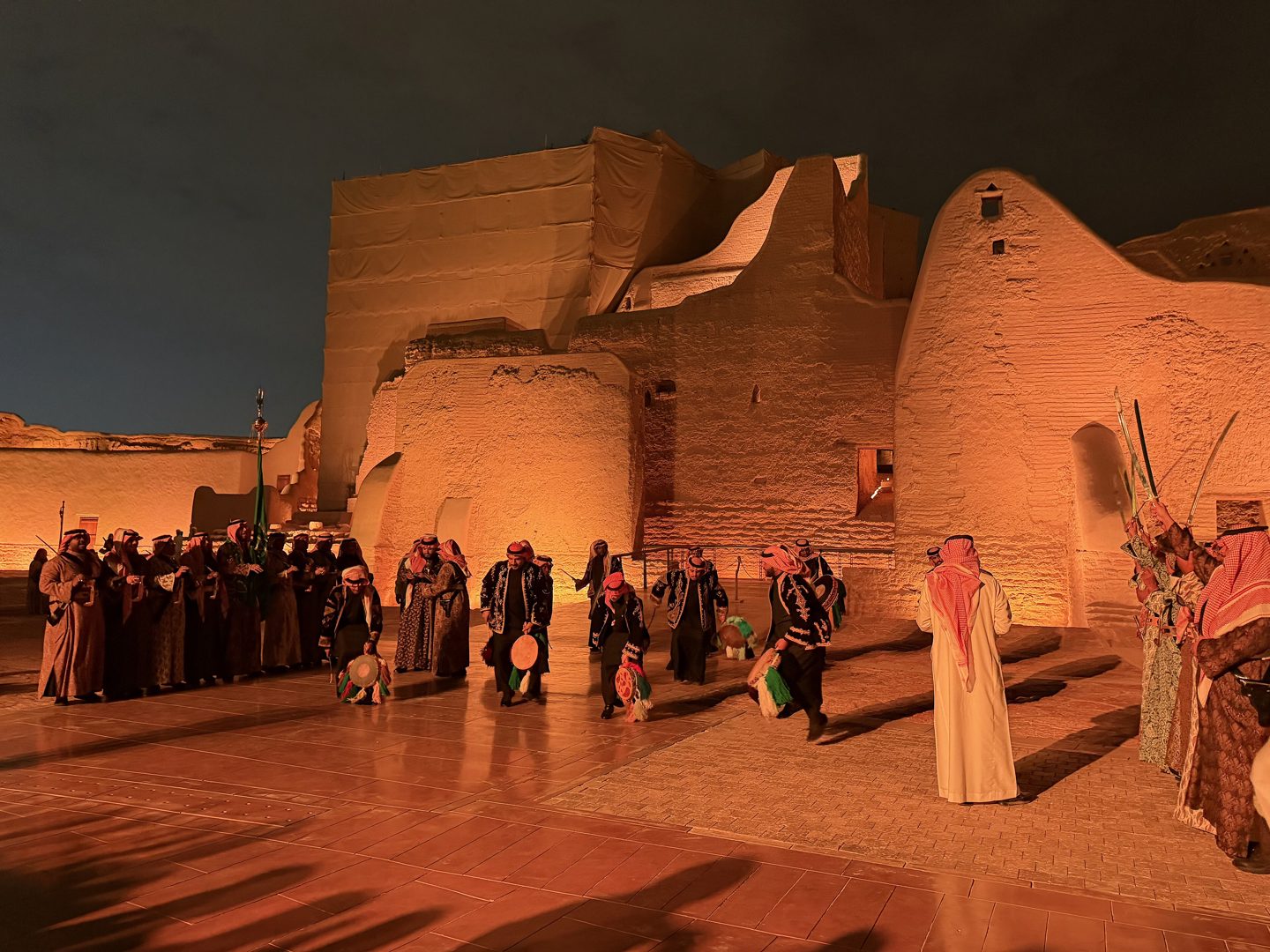
First-time visitors often worry about getting things wrong in Saudi Arabia. In practice the rules are few and the welcome is generous. Dress modestly, be polite, and you will be treated as a guest wherever you go. Here is what that means in detail.
What women should wear
Visiting women are not required to wear an abaya or to cover their hair. The rule is modest dress in public: loose clothing that covers the shoulders and knees, and nothing tight or transparent. Long skirts or loose trousers with a long-sleeved top work everywhere. Many visitors carry a light scarf: it is needed to enter mosques and is useful against sun and dust.
What men should wear
Long trousers and a shirt with sleeves. Shorts above the knee and sleeveless tops are for the beach or the gym, not for the street, malls or restaurants. Clothing with offensive words or images is not allowed in public.
At mosques and in the holy cities
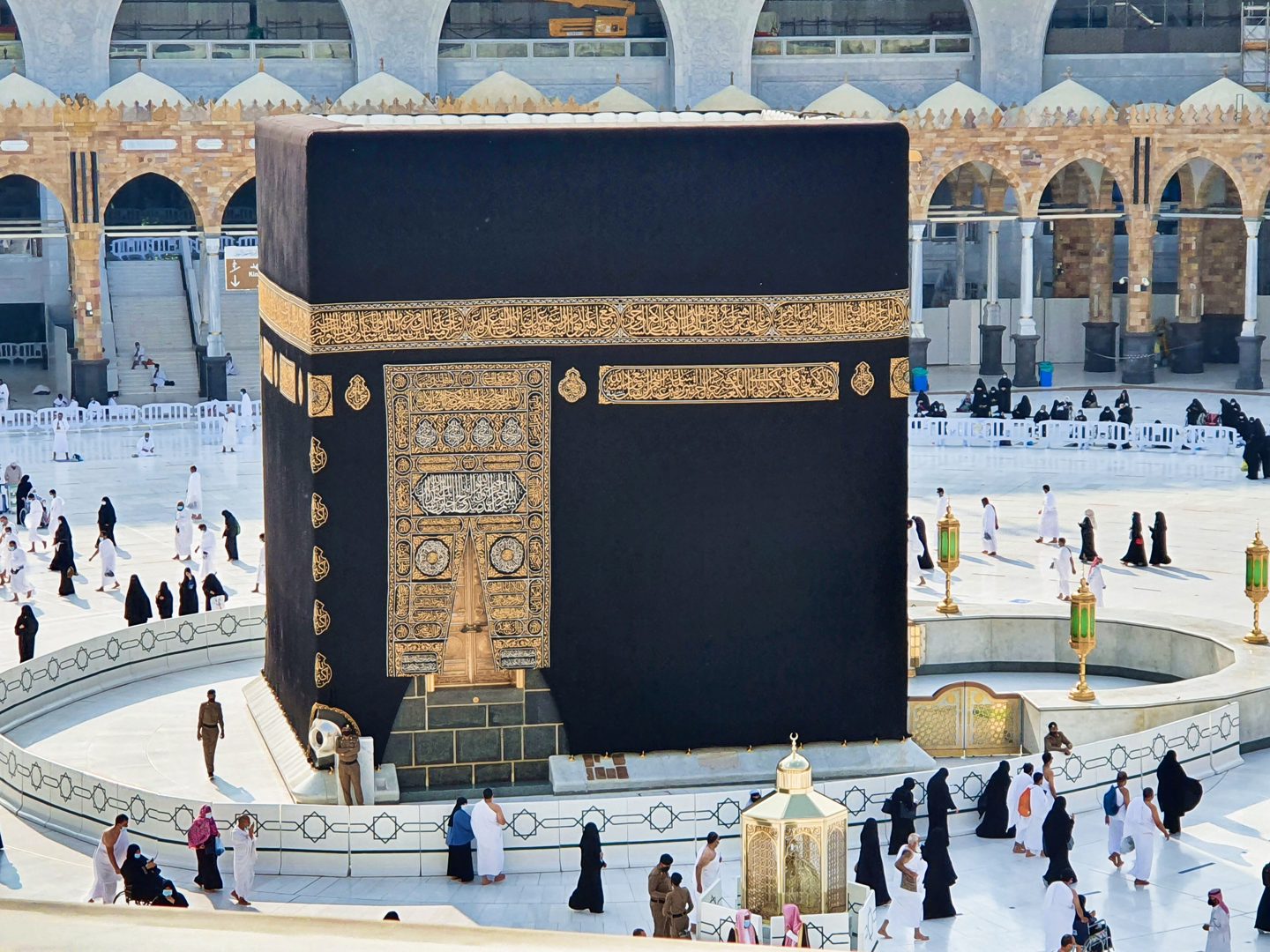
Makkah, and the area around the Prophet's Mosque in Madinah, are for Muslims. In the Two Holy Mosques women wear an abaya or loose full-length clothing and cover their hair; men wear long, loose clothing, or ihram during Umrah. Remove your shoes where others do, keep your phone silent and do not walk in front of people who are praying. Some mosques elsewhere welcome visitors of other faiths outside prayer times; dress as you would in the holy cities.
Greetings and hospitality
- Say "As-salamu alaykum"; the reply is "Wa alaykum as-salam".
- Men shake hands with men. With the opposite sex, wait to see whether a hand is offered; a hand on the heart is a polite greeting.
- Use your right hand to eat, to pass things and to accept a cup.
- Coffee and dates are offered as a welcome. Accept at least one cup; when you have had enough, tilt the cup from side to side before giving it back.
- If you are invited to a home, take off your shoes at the door and bring a small gift such as sweets.
Photos, prayer times and public behaviour
- Ask before photographing people, especially women and families. Do not photograph government or military buildings.
- Prayer times. Five times a day the call to prayer sounds, and some shops pause for a few minutes. Plan around it.
- Affection in public is kept to a minimum.
- Alcohol is prohibited, and so are drugs. Do not bring either into the country.
- Ramadan. From dawn to sunset, do not eat, drink or smoke in public. Evenings are lively and restaurants stay open late.
- The weekend is Friday and Saturday. Friday mornings are quiet until after the midday prayer.
Small things that help
Carry a light layer: air conditioning is strong indoors, and desert nights are cold in winter. Learn a few words of Arabic — "shukran", thank you, goes a long way. And when you are unsure, ask; Saudis are used to guests and glad to explain. Our travel guide covers money, SIM cards and getting around, and the page on local customs has more on everyday manners.
Planning a first trip? Start with a first-timer's week in Riyadh and Jeddah, or check which visa you need.
Common questions
Do women have to wear an abaya in Saudi Arabia?
No. Visiting women are asked to dress modestly, in loose clothing that covers the shoulders and knees, but an abaya and a headscarf are not required outside mosques and the holy sites.
Can men wear shorts in Saudi Arabia?
Not in ordinary public places. Long trousers are expected in streets, malls and restaurants; shorts are fine at the beach, in resorts and for sport.
Is Saudi Arabia strict with tourists?
The rules are clear rather than harsh: dress modestly, respect prayer times and Ramadan, and do not bring alcohol. Visitors who follow them find people friendly and helpful.