Ziyarat in Madinah: the places every pilgrim visits
The Prophet's Mosque and the Rawdah, Quba, Qiblatayn, Uhud and Al-Baqi: what each place is, when to go and how to plan Ziyarat in Madinah.
Madinah is the city that welcomed the Prophet, peace be upon him, and the place where he is buried. Pilgrims do not come here for a rite of Umrah — there is none in Madinah — but out of love, to pray in his mosque and to see the places where the first Muslim community lived. Visiting them is called Ziyarat. Two or three days are enough to see the main sites calmly.
The Prophet's Mosque
Masjid an-Nabawi is the heart of the city, and most pilgrims choose a hotel within walking distance of it. Pray as many of the five daily prayers here as you can.
The Rawdah. The area between the Prophet's pulpit and his chamber is called the Rawdah, described in a hadith as one of the gardens of Paradise. The space is small, so entry is by a timed permit booked in the Nusuk app, with separate times for men and women. Book as soon as your dates are fixed. Our Rawdah guide explains the permit and the hours.
Greeting the Prophet. Pilgrims pass in front of the chamber where the Prophet and his two companions, Abu Bakr and Umar, are buried, and offer their salam quietly. Read more about the Prophet's Chamber and the Green Dome.
Al-Baqi. The cemetery beside the mosque holds the graves of many of the Prophet's family and companions. It usually opens to visitors after the Fajr and Asr prayers.
Mosques of the early community
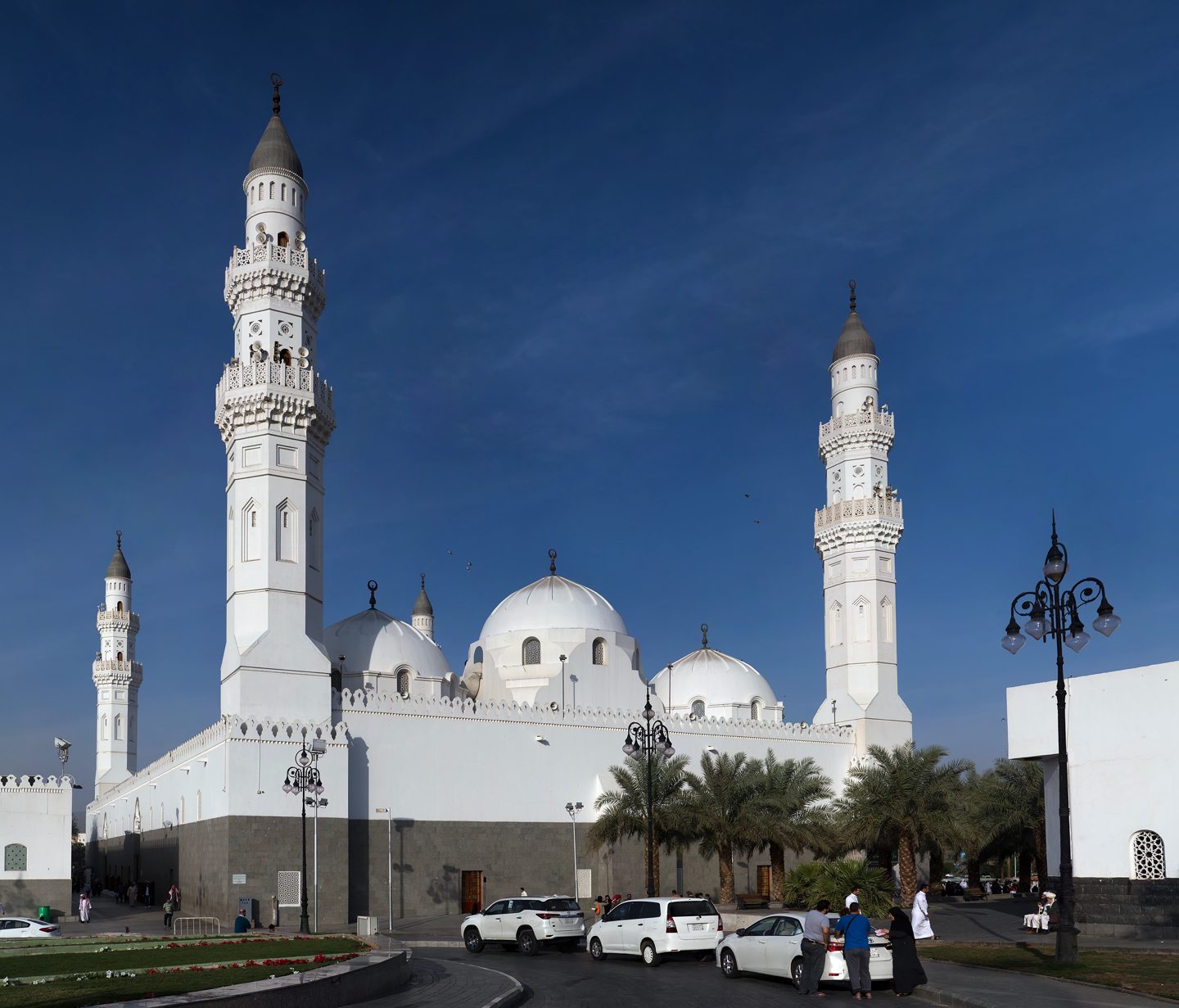
- Quba Mosque. The first mosque built in Islam, on the Prophet's arrival from Makkah. A hadith tells that whoever purifies himself at home and then prays in Quba has the reward of an Umrah. Many pilgrims walk there from the Prophet's Mosque along a pedestrian avenue of about three kilometres.
- Masjid al-Qiblatayn. The mosque of the two qiblas, where the direction of prayer was changed from Jerusalem to Makkah.
- The Seven Mosques. A group of small mosques at the site of the Battle of the Trench.
- Masjid al-Ghamamah. A short walk from the Prophet's Mosque, on the ground where the Prophet led the Eid prayer.
Mount Uhud
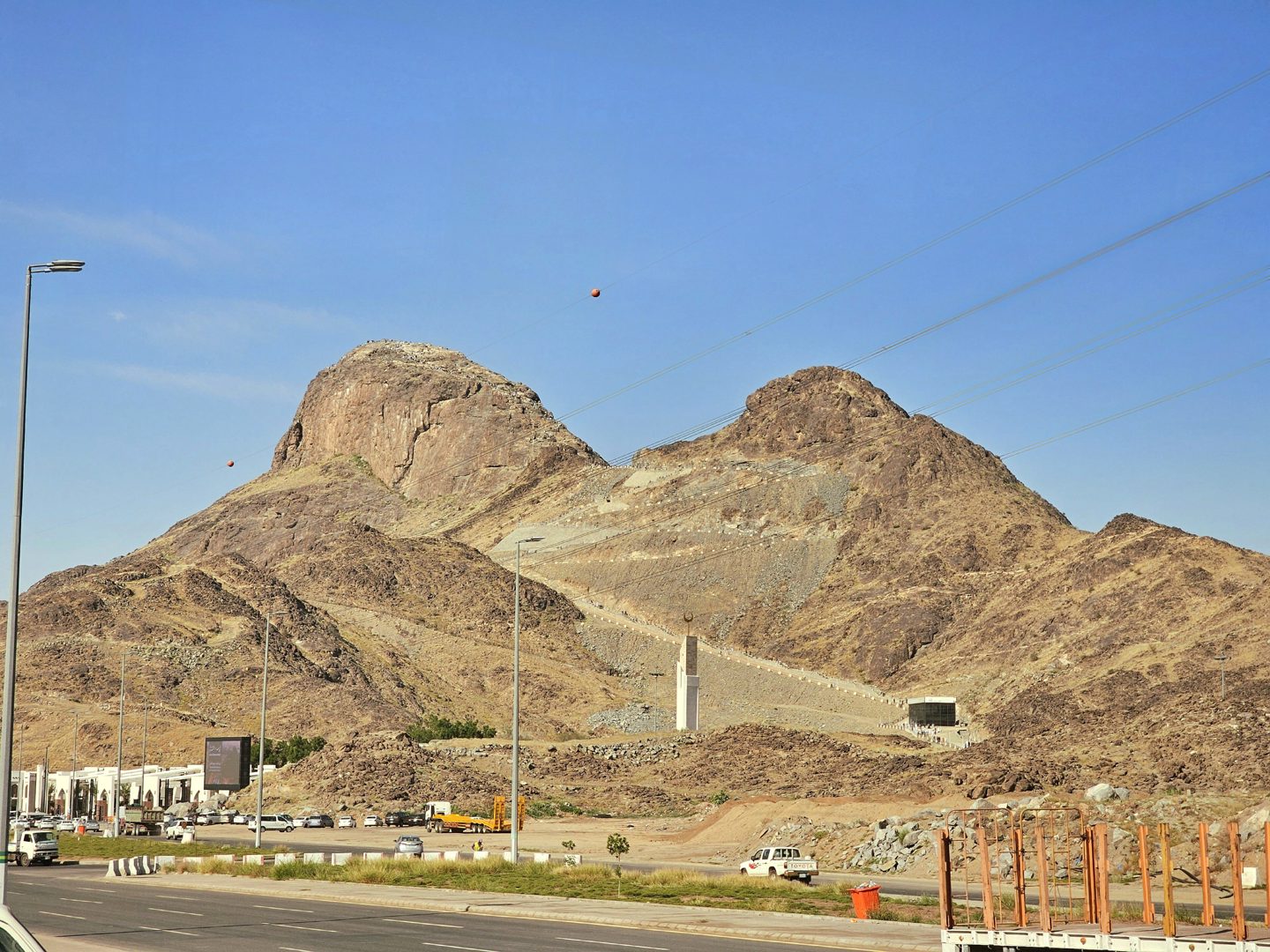
North of the city, Uhud is where the Muslims fought the second great battle of early Islam. Pilgrims visit the cemetery of the martyrs, among them Hamzah, the Prophet's uncle, and the small Archers' Hill beside it. Go early in the morning; there is little shade.
Museums and markets
Near the Prophet's Mosque, a museum of the Prophet's biography presents his life with models and screens in several languages. The old Hejaz Railway station, from the Ottoman line that once brought pilgrims from Damascus, is now a museum too. And no one leaves without dates: the central date market sells Ajwa, the variety Madinah is known for, alongside dozens of others.
Planning your Ziyarat
- Half a day by car covers Quba, Qiblatayn, the Seven Mosques and Uhud. Go after Fajr or after Asr.
- Go with someone who knows the history. Our Madinah heritage tour and our history guide in Madinah explain each place as you stand in it.
- Keep the visits in their place. These are sites of remembrance. Pray where prayer is prescribed, give salam at the graves, and leave aside practices that have no basis.
- Getting to Makkah. The Haramain train takes about two and a half hours. If you leave Madinah for Umrah, you enter ihram at Dhul Hulayfah.
More about the city and where to stay is in our Madinah guide.
Common questions
How many days should I spend in Madinah?
Two to three days allow you to pray in the Prophet's Mosque, visit the Rawdah and see the main Ziyarat sites without hurry. Many packages give Madinah three or four nights.
Do I need a permit for the Rawdah?
Yes. Entry to the Rawdah is by a timed permit booked in the Nusuk app, and there are separate times for men and women.
Is Ziyarat in Madinah part of Umrah?
No. Umrah is completed in Makkah. Visiting Madinah is a separate, recommended journey to pray in the Prophet's Mosque.