Ziyarat in Makkah: Hira, Thawr and the sites of Hajj
Beyond the Haram: Jabal al-Nour and the Cave of Hira, Jabal Thawr, Mina, Arafat and Muzdalifah, and the museums of Makkah — with a plan.
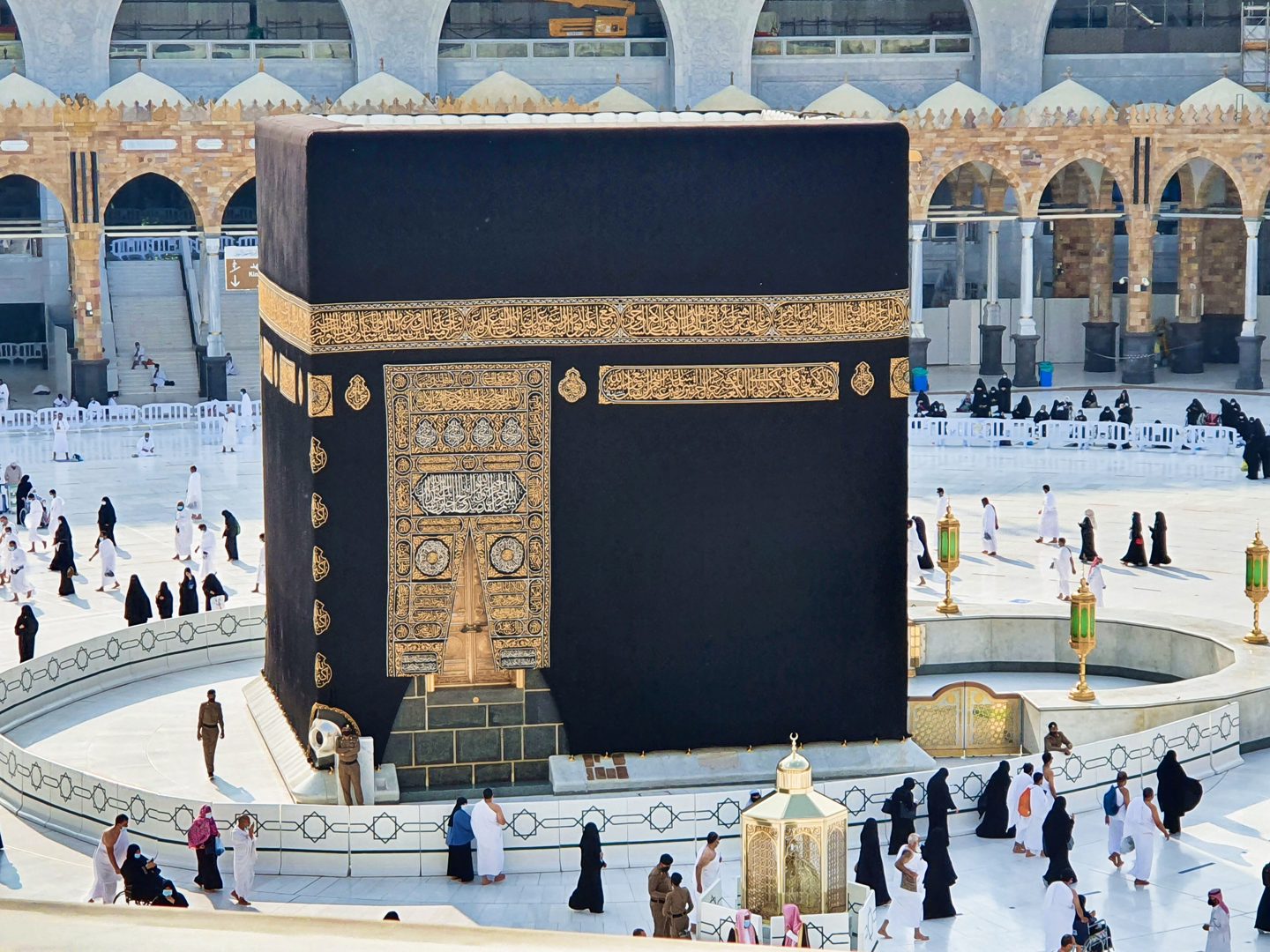
When Umrah is complete, most pilgrims still have several days in Makkah. Much of that time belongs in the Haram, in prayer, tawaf and reading the Quran. But the city around it holds the places where the revelation began and where the rites of Hajj are performed, and a morning spent visiting them brings the history to life. This is Ziyarat. None of it is a required part of Umrah.
Jabal al-Nour and the Cave of Hira
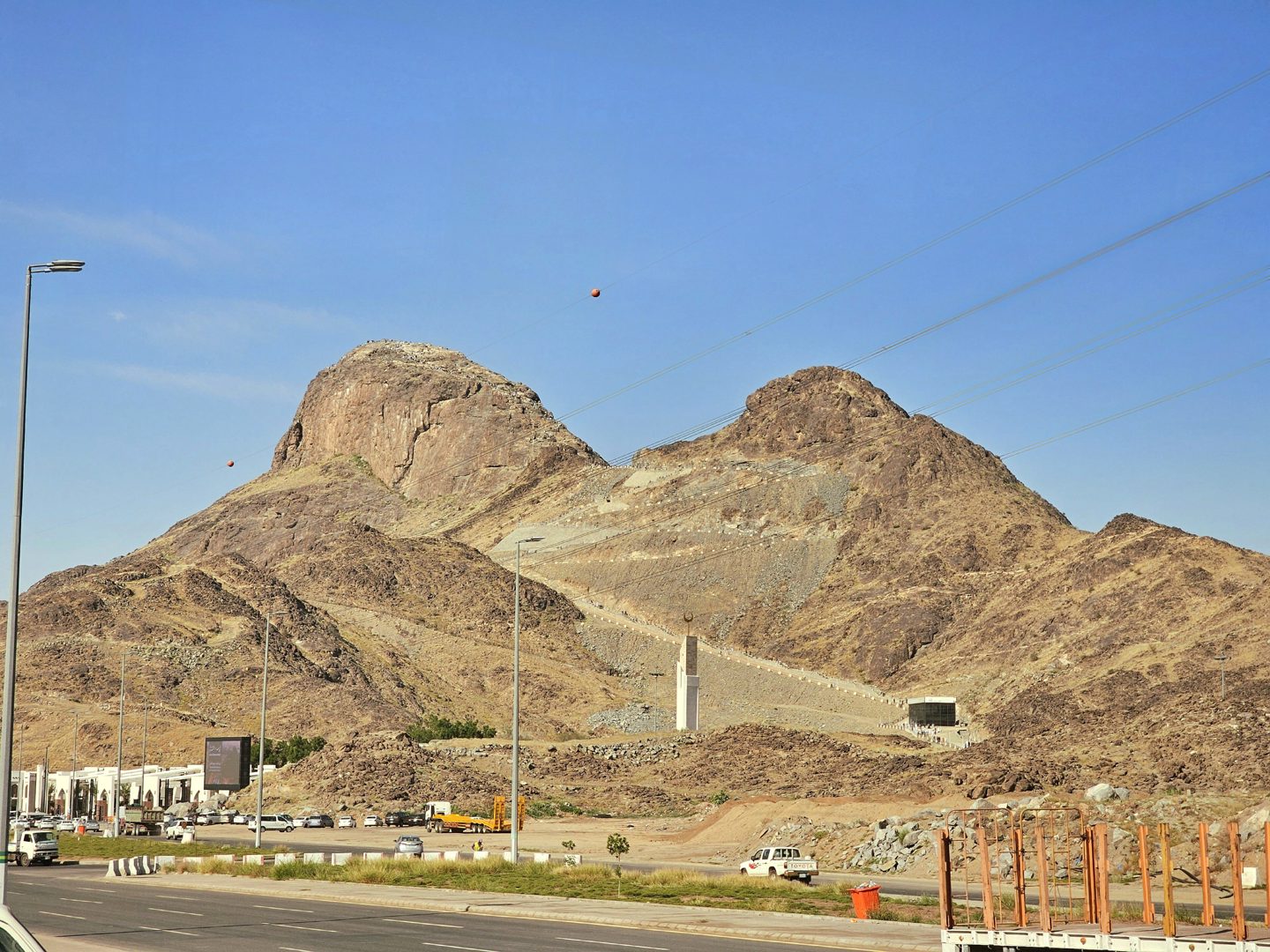
On this mountain, a few kilometres north-east of the Haram, the Prophet, peace be upon him, received the first verses of the Quran. The cave is near the summit, at the end of a steep stepped path that takes most people an hour or more to climb. Go before dawn or late in the afternoon, carry water, and do not attempt it if you have heart or knee trouble; seeing the mountain from below is enough. At its foot, the Hira Cultural District has an exhibition about the revelation, a museum of the Quran, cafés and shade.
Jabal Thawr
South of the city is the mountain with the cave where the Prophet and Abu Bakr sheltered for three nights during the Hijrah, the migration to Madinah. The climb is longer and harder than Jabal al-Nour. Most groups stop at the base, hear the story and move on.
The sites of Hajj
East of Makkah lie the places where the pilgrims of Hajj spend their days. Outside the Hajj season they are quiet, and seeing them helps anyone who hopes to return for Hajj.
- Mina. A valley filled with white tents, where pilgrims stay during Hajj, and the Jamarat bridge where the stoning takes place.
- Muzdalifah. The open plain where pilgrims spend the night under the sky after Arafat.
- Arafat. The plain of the most important day of Hajj. Visitors climb the small hill of Jabal al-Rahmah and see Masjid Namirah nearby.
Mosques and other places in the city
- Masjid Aisha at Tan'im. The nearest point outside the sacred boundary. Pilgrims staying in Makkah who wish to perform another Umrah enter ihram here.
- Masjid al-Jinn and Jannat al-Mu'alla. A historic mosque and the old cemetery of Makkah, where Khadijah, the Prophet's first wife, is buried. Both are a short distance north of the Haram.
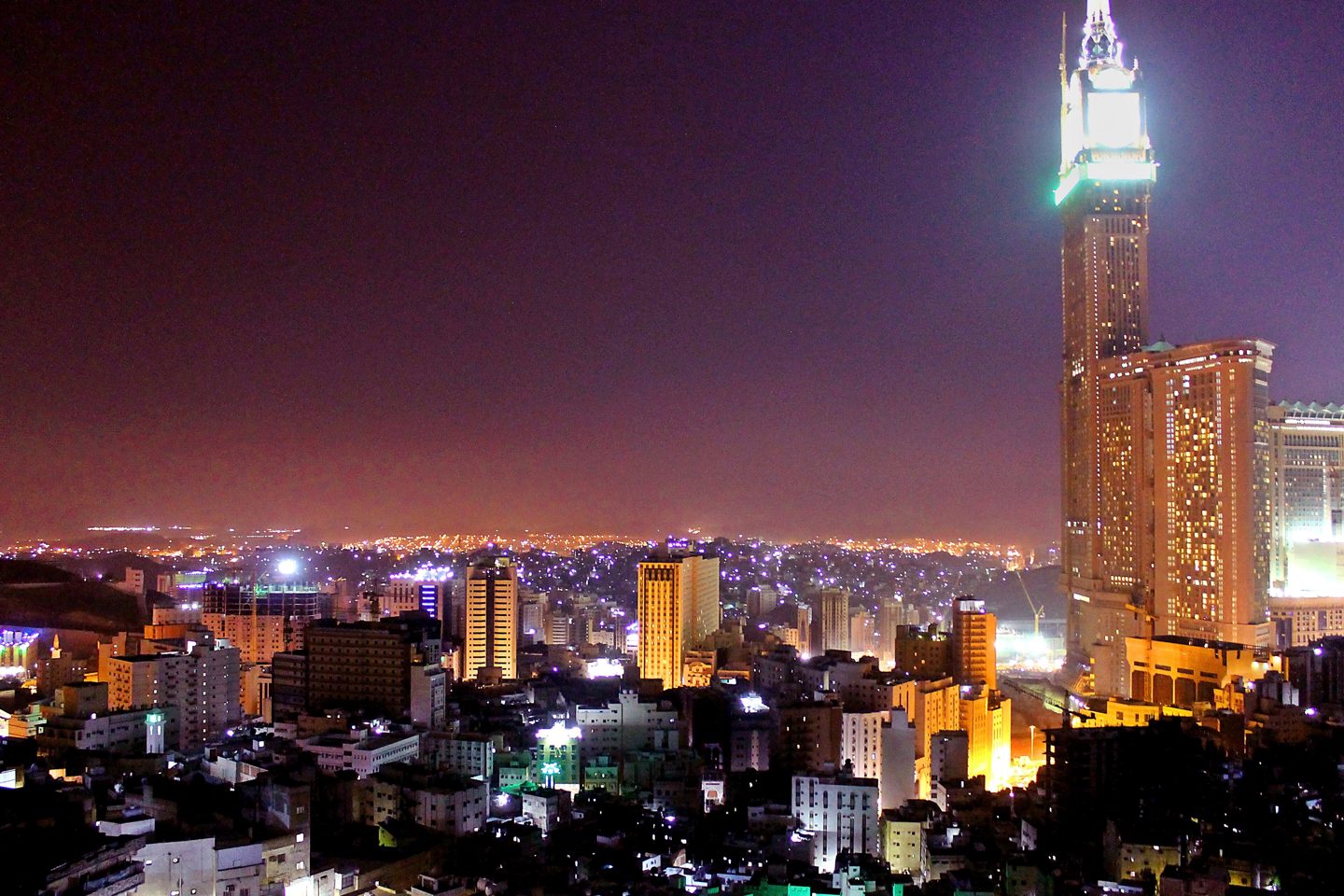
- The Clock Tower Museum. In the tower beside the Haram, with exhibits on astronomy and timekeeping and a view over the mosque.
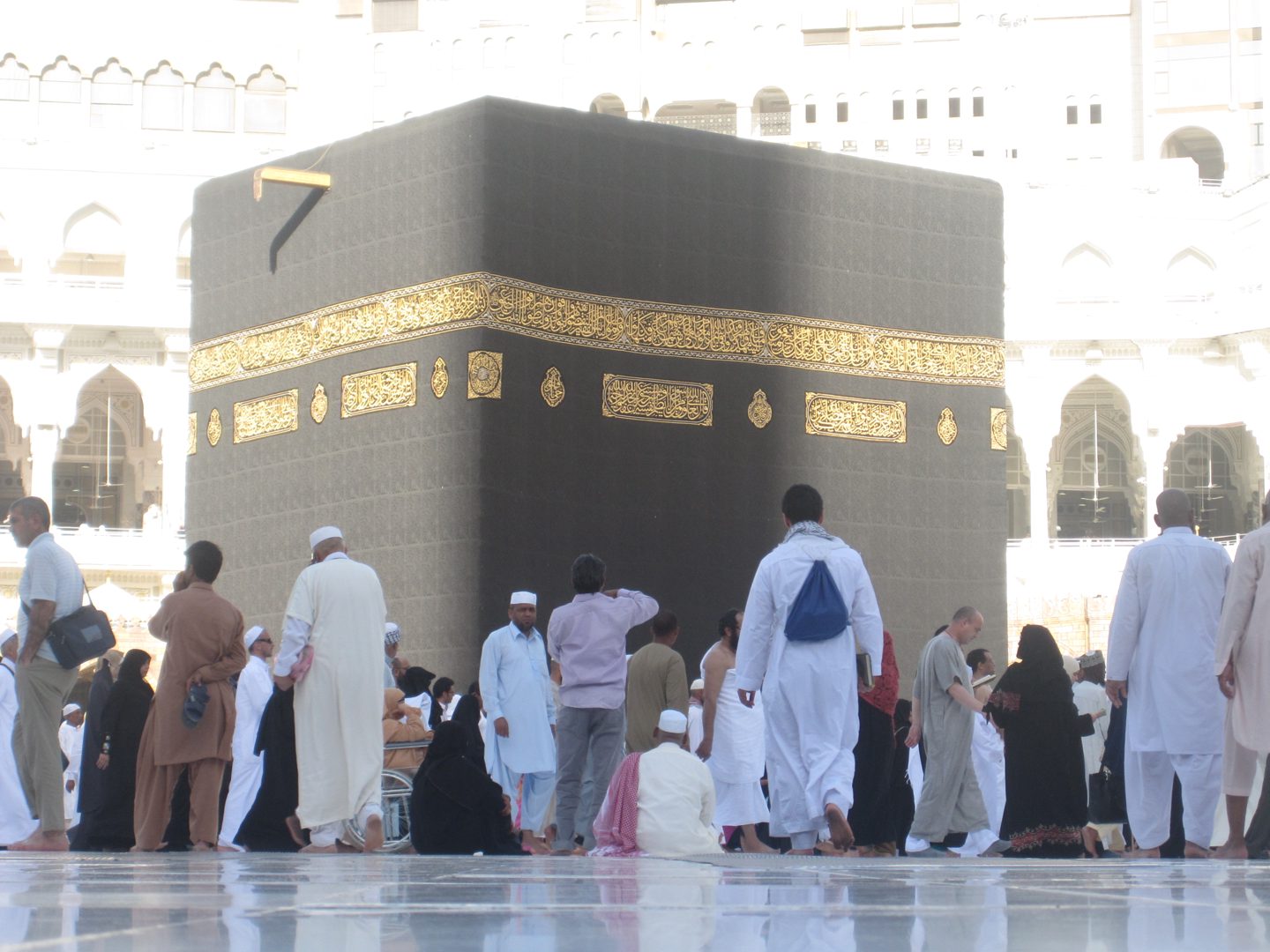
- The exhibition of the Two Holy Mosques' architecture and the Kiswah complex. Old doors, pillars and inscriptions from both mosques, and the workshop where the cloth of the Kaaba is woven and embroidered. Our guide to the museums has the visiting details.
Planning a Ziyarat morning
- By car, half a day is enough for Jabal Thawr, Arafat, Muzdalifah, Mina and the foot of Jabal al-Nour. Leave after Fajr and be back before the midday heat.
- Climbing to Hira needs its own outing. Keep it for a cool morning.
- Go with a guide who speaks your language. Our Bangla-speaking guide in Makkah explains each site, and Ziyarat is included in our Umrah packages.
- Remember what these visits are. The mountains and caves are places of history, not of worship; no prayer or rite is prescribed there.
After Makkah, most pilgrims travel on to Madinah: see Ziyarat in Madinah and our Makkah guide.
Common questions
What are the Ziyarat places in Makkah?
The main ones are Jabal al-Nour with the Cave of Hira, Jabal Thawr, Mina, Muzdalifah, Arafat with Jabal al-Rahmah, Masjid Aisha, Jannat al-Mu'alla and the city's museums.
How long does it take to climb to the Cave of Hira?
Most people need one to one and a half hours to climb, and somewhat less to come down. The path is steep, so go in the cool hours and carry water.
Where do I enter ihram for a second Umrah from Makkah?
At Masjid Aisha in Tan'im, the nearest place outside the sacred boundary, a short drive from the Haram.